
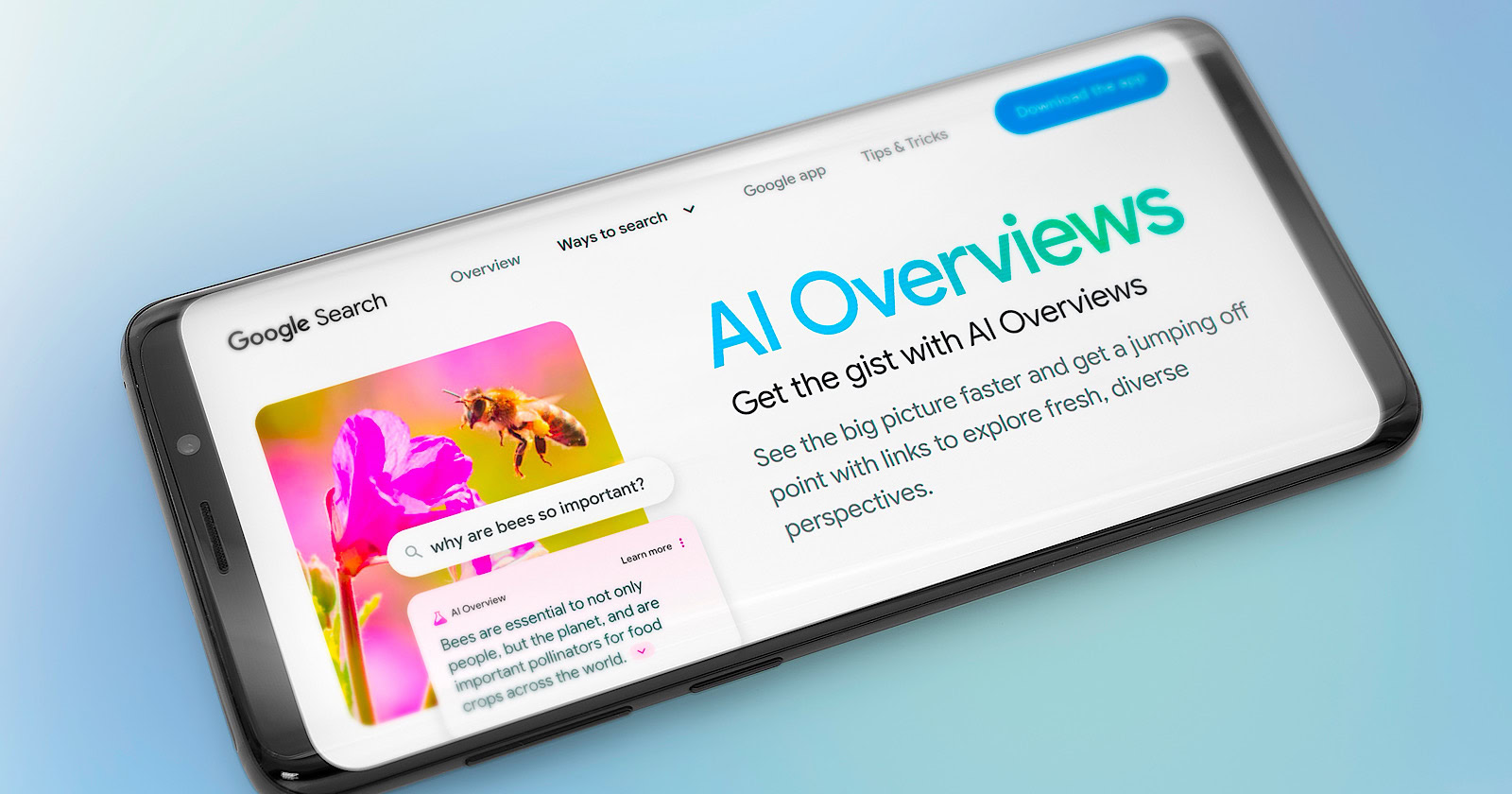
A seismic shift is underway at the very bedrock of online information consumption: the search engine. For decades, the primary interaction involved a user querying, receiving a list of links, and then navigating to various websites for answers. This model, foundational to the digital economy, is now being fundamentally reshaped by the ascent of artificial intelligence in search. The growing trend of AI-generated summaries appearing directly within search results, most notably Google’s AI Overviews, has sparked a profound debate among publishers, content creators, and digital strategists. The central question reverberating through the industry is whether these intelligent summaries are, in effect, siphoning off the clicks that once sustained countless online ventures.
The anecdotal concerns of publishers are now finding robust validation in empirical data. A recent study from the Pew Research Center unveiled a stark reality: Google users presented with an AI Overview clicked on links to other websites merely 8 percent of the time. This figure stands in sharp contrast to the 15 percent click-through rate observed when no AI Overview was displayed, representing nearly a halving of outbound clicks. Further analysis by researchers Ryan Law and Xibeijia Guan, in their report "AI Overviews Reduce Clicks by 34.5%", echoes this sentiment, indicating a substantial decline in website visits when AI Overviews are triggered for specific keywords. These statistics paint a compelling picture: the convenience of AI-synthesized answers directly within the search interface is often negating the perceived need for users to venture further onto external sites, fundamentally altering user behavior.

For publishers, the implications extend beyond mere traffic statistics; they touch upon the very economic viability of online content creation. A significant concern revolves around the fact that AI Overviews frequently derive their summaries from publisher content without providing direct financial benefit or adequate attribution that drives traffic. This appropriation of intellectual property, coupled with reduced click-throughs, poses a substantial threat to advertising revenues and subscription models that rely on robust website engagement. The opacity surrounding Google’s internal data on click-through rates further exacerbates the situation, making it challenging for publishers to independently assess the full impact. This predicament has even escalated to legal complaints, with organizations like the Independent Publishers Alliance alleging anti-competitive practices.

Yet, the narrative of AI’s impact on web traffic is not entirely monolithic. While Google’s AI Overviews present a clear challenge, other AI platforms are, in some instances, observed to be driving increased referral traffic to news and media sites. This suggests a nuanced landscape where the source and implementation of AI play a critical role in its effects on content consumption. Moreover, certain sectors, such as retail, have even reported an uptick in website visits despite the broader fears surrounding AI search, indicating that the impact can vary significantly across industries and user intent. As AI continues to integrate more deeply into our digital interactions, the evolution of search—and the intricate dance between AI-powered answers and the vibrant ecosystem of online publishers—will undoubtedly remain a focal point for innovation, adaptation, and ongoing debate.