
In the intricate architecture of modern software development, GitHub stands as a foundational pillar, enabling millions of developers worldwide to collaborate on projects ranging from nascent open-source initiatives to vast commercial applications. At its core, GitHub is a hosting service for Git repositories, providing a web-based graphical interface and powerful tools for version control and teamwork. It transforms the often-solitary act of coding into a highly interactive and distributed process, allowing contributors across geographies to work seamlessly on shared codebases without stepping on each other's digital toes.

The operational brilliance of GitHub lies in its leveraging of Git, a distributed version control system. Each project, or 'repository,' houses all the files and the entire history of changes. Developers 'clone' a repository to their local machines, making alterations, and then 'commit' these changes to their local version history. The real magic unfolds with 'branches,' which allow developers to diverge from the main codebase to experiment or implement new features without affecting the stable version. Once a feature is complete and tested, a 'pull request' is initiated, inviting others to review the code before it is 'merged' back into the main branch. This systematic approach ensures code quality, facilitates peer review, and maintains a clear, traceable history of every modification.

A frequently pondered question concerns GitHub's ability to offer free file storage, particularly for public projects. The answer lies in a sophisticated business model that balances accessibility with monetization. While individual developers and open-source projects often benefit from GitHub's free tiers, the company generates substantial revenue through premium services tailored for organizations and enterprises. These paid plans offer advanced features such as enhanced security, larger storage for Git Large File Storage (LFS), dedicated support, and administrative controls essential for larger teams. Furthermore, GitHub profits from its marketplace, where third-party applications and integrations are sold, and from specialized products like GitHub Copilot, an AI-powered coding assistant, which operate on a subscription basis.
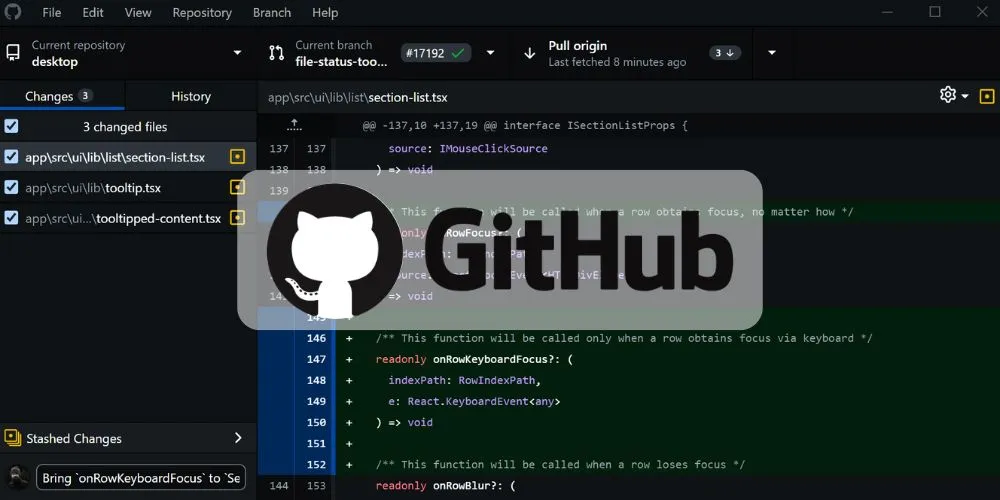
GitHub's enduring success is predicated on this symbiotic relationship: by providing a robust, free platform for individual developers and open-source communities, it cultivates a vast ecosystem of talent and innovation. This ecosystem, in turn, attracts commercial entities that require more sophisticated tools and services, for which they are willing to pay. The inherent efficiency of Git's delta compression and intelligent handling of file versions also contributes to economical storage, making the free tier sustainable. Ultimately, GitHub functions not just as a code repository but as a vibrant digital commons, proving that a powerful, collaborative platform can thrive by strategically blending free access with high-value premium offerings.