
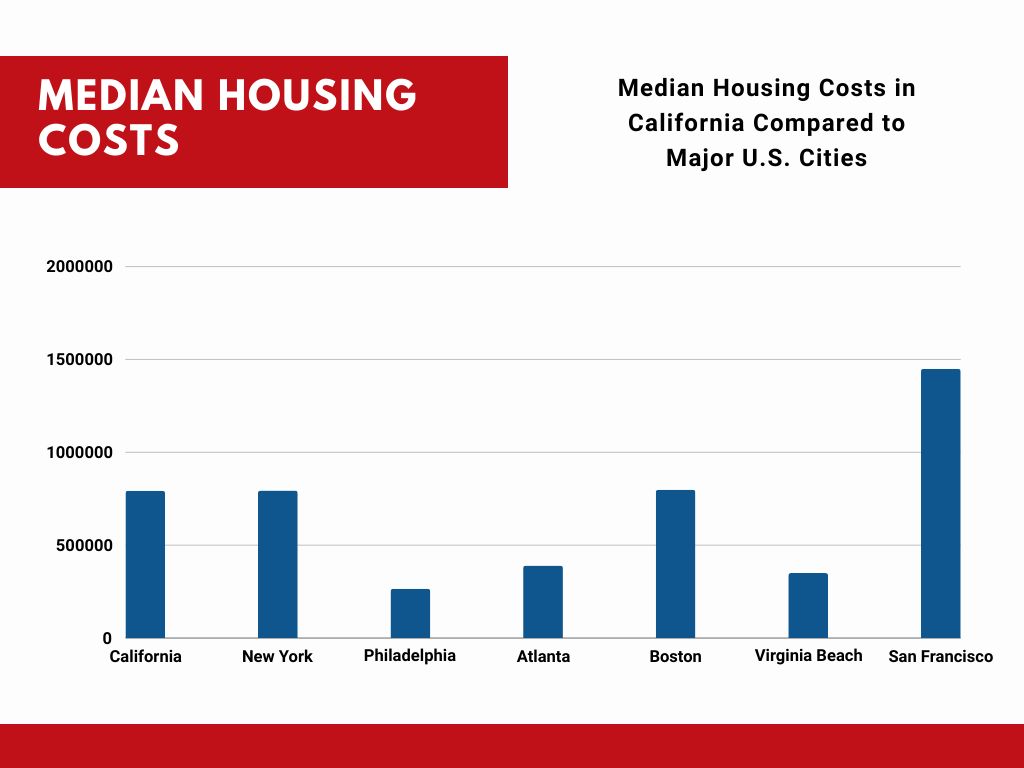
California, a land synonymous with innovation, natural splendor, and cultural influence, has long beckoned dreamers and entrepreneurs alike. Yet, beneath the veneer of its sun-drenched beaches and silicon valleys lies a stark economic reality: the state’s cost of living has become notoriously prohibitive. With an overall cost of living index hovering around 45% above the national average, the financial strain on residents is palpable. Indeed, recent analyses suggest that an income of $180,000 might now be considered the new threshold for a middle-class existence in some of California’s more expensive enclaves, a figure that dramatically eclipses national benchmarks.
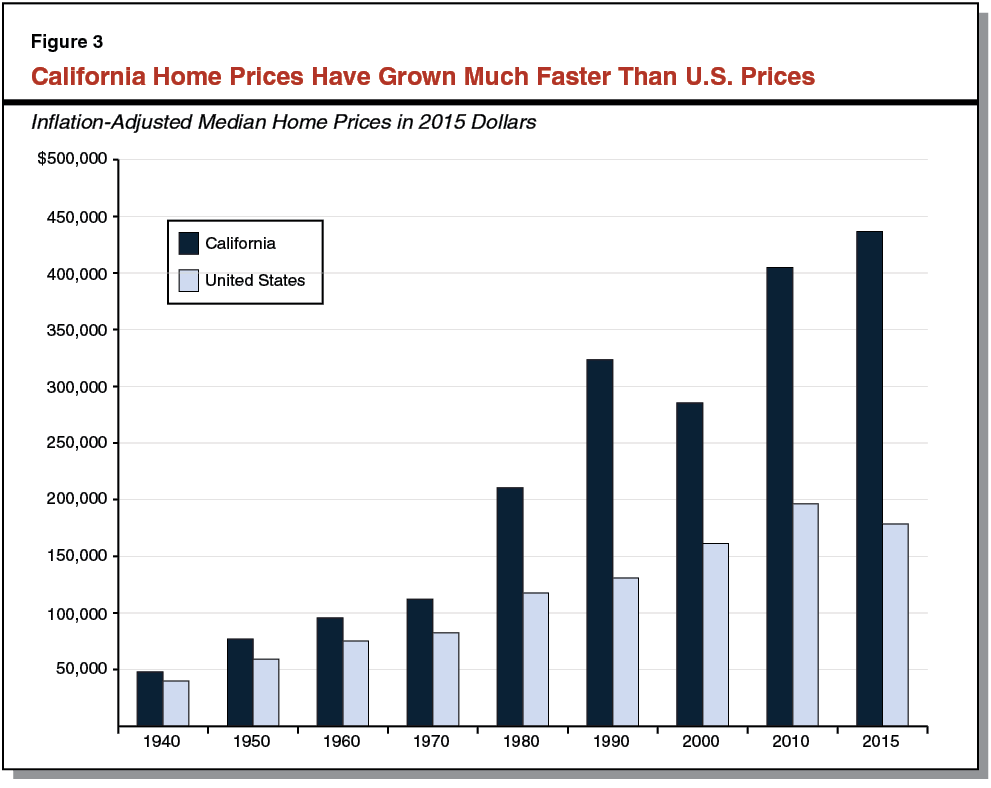
At the heart of California's economic conundrum lies its housing market. The fundamental imbalance between supply and demand has created an unprecedented escalation in property values and rental rates. Median home prices routinely exceed $800,000, significantly higher than the national median. This scarcity is not merely a byproduct of desirability; it is deeply intertwined with decades of restrictive zoning policies, stringent environmental regulations, and protracted permitting processes that collectively hinder new construction. While these measures are often enacted with good intentions, they invariably constrict the housing inventory, forcing an ever-increasing populace to compete for a limited pool of residences.
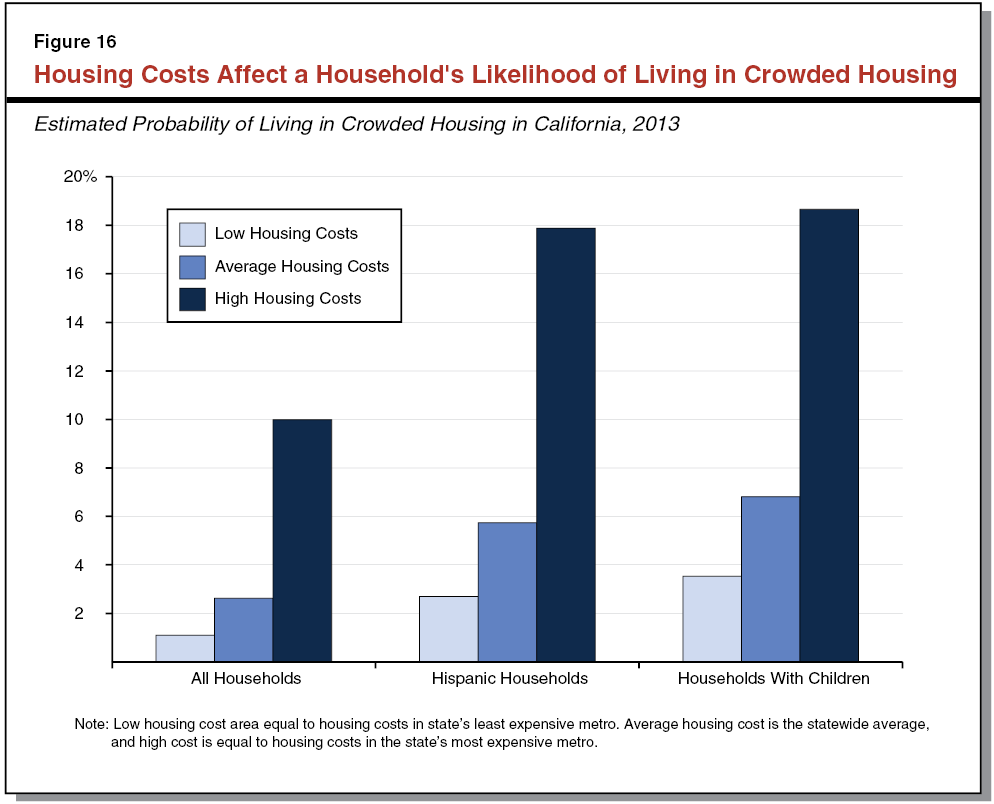
Beyond the formidable housing market, a constellation of other factors contributes to the state's elevated expenses. California's robust economy and high-paying industries, particularly in technology and entertainment, attract a workforce that commands substantial salaries. While beneficial for individuals, these high wages paradoxically drive up the cost of local goods and services, as businesses adjust prices to reflect higher operational costs, including labor. Furthermore, state and local taxes, including property taxes and sales taxes, add another layer to the financial burden. Regulatory overhead for businesses can also translate into higher consumer prices, affecting everything from groceries to utilities and transportation.

The implications of California's high cost of living reverberate throughout its social and economic fabric. It contributes to significant outward migration, as residents seek more affordable pastures in neighboring states. It exacerbates income inequality, placing immense pressure on lower and middle-income families, often forcing them into extended commutes or less desirable living situations. This ongoing economic pressure continues to shape political discourse, prompting fervent debates about housing reforms, taxation, and the long-term sustainability of the 'California dream' for all its inhabitants. Understanding these intricate dynamics is crucial to comprehending the state's enduring challenges and potential paths forward.