

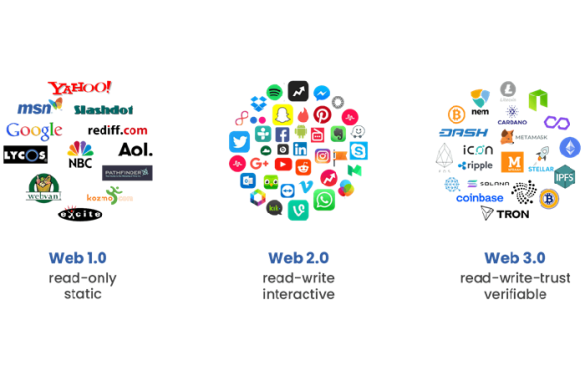
In the grand tapestry of the internet's evolution, we stand at the precipice of a new era: Web3. Moving beyond the static pages of Web 1.0 and the centralized platforms of Web 2.0, this nascent iteration promises a fundamental shift in how we interact with digital information, own our data, and transact online. At its core, Web3 champions decentralization, aiming to dismantle the dominion of tech giants and return control to the individual. It's a vision of an internet where users are not merely consumers but active participants and stakeholders, shaping the very infrastructure they utilize.
For decades, the internet has largely operated on a client-server model, with massive corporations acting as gatekeepers, controlling everything from social media feeds to cloud storage. This centralized authority, while efficient in many ways, has also led to concerns about data privacy, censorship, and monopolistic power. Web3 emerges as a potent counter-narrative, proposing a distributed network architecture where power is diffused across countless nodes, fostering a more equitable and transparent digital landscape.
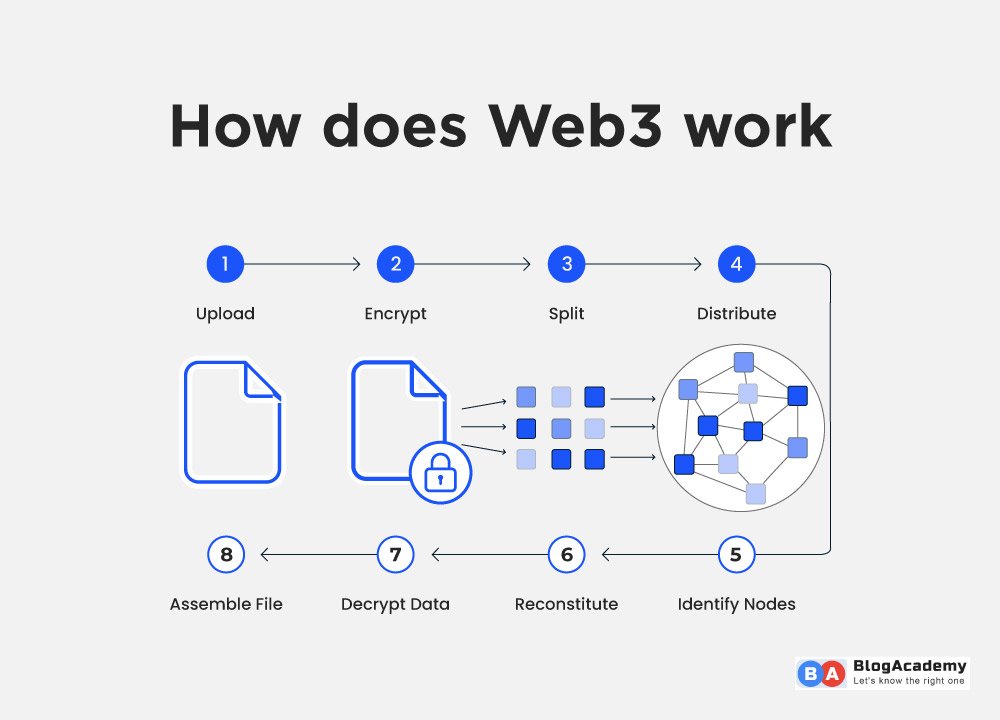
The technological bedrock of Web3 is undoubtedly blockchain. This distributed ledger technology, renowned for its role in cryptocurrencies, provides the immutable, transparent, and trustless framework upon which Web3 applications are built. Unlike traditional databases controlled by a single entity, blockchain records transactions and data across a network of computers, making it virtually impossible to alter or corrupt. This inherent security and transparency are crucial for enabling a truly decentralized internet.
Beyond just storing data, blockchain facilitates 'smart contracts' – self-executing agreements whose terms are directly written into code. These contracts automate processes, remove the need for intermediaries, and bring a new level of programmatic trust to online interactions. Imagine transactions, agreements, and even entire organizational structures operating autonomously, governed by pre-defined rules rather than human oversight. This foundational shift empowers a new paradigm of digital ownership and interaction.
Navigating this decentralized world requires new tools, and chief among them are Web3 wallets. Far more than just a place to store digital currency, these wallets serve as a user's primary interface with the Web3 ecosystem. They hold the private keys essential for accessing blockchain networks, signing transactions, and verifying identity without relying on a centralized login. Think of them as your passport to the decentralized web, granting you control over your digital assets and identity.
Further enriching the Web3 landscape are Decentralized Applications, or dApps. These applications run on a blockchain or peer-to-peer network of computers rather than a single server. From decentralized finance (DeFi) platforms to NFT marketplaces and new forms of social media, dApps offer alternatives to their centralized counterparts, promising greater user control, censorship resistance, and often, community-driven governance. The semantic web, another concept gaining traction within Web3, aims to enable applications to understand and interpret data more intelligently, fostering greater interoperability and data fluidity across diverse platforms.

The implications of a fully realized Web3 are profound, promising to reshape industries from finance and gaming to art and social interaction. It heralds an internet where digital assets are truly owned by their creators, where online identities are self-sovereign, and where censorship is far more challenging to impose. While still in its nascent stages, with challenges around scalability, user experience, and regulatory frameworks to overcome, Web3 represents a bold vision for a more open, equitable, and user-centric digital future. It's a future where the internet is not just a place to consume information, but a vibrant, collaborative space where users truly have a say.