

The Unintended Consequence of Automation
In an era where artificial intelligence promises unparalleled efficiency and reach, the deployment of AI-powered calling bots has become a double-edged sword. Designed to streamline customer service, conduct surveys, or even manage appointments, these sophisticated programs often find their efforts thwarted before a single word is spoken. The culprit? The ubiquitous "Spam Likely" tag, a digital scarlet letter affixed to untold numbers of legitimate automated calls, relegating them to the digital purgatory of ignored notifications and blocked numbers. This phenomenon doesn't just represent a minor inconvenience; it signifies a substantial challenge for businesses and organizations attempting to leverage AI for productive communication, forcing a critical examination of how these intelligent agents interact with our increasingly vigilant telecommunications infrastructure.
Deconstructing the 'Spam Likely' Algorithm
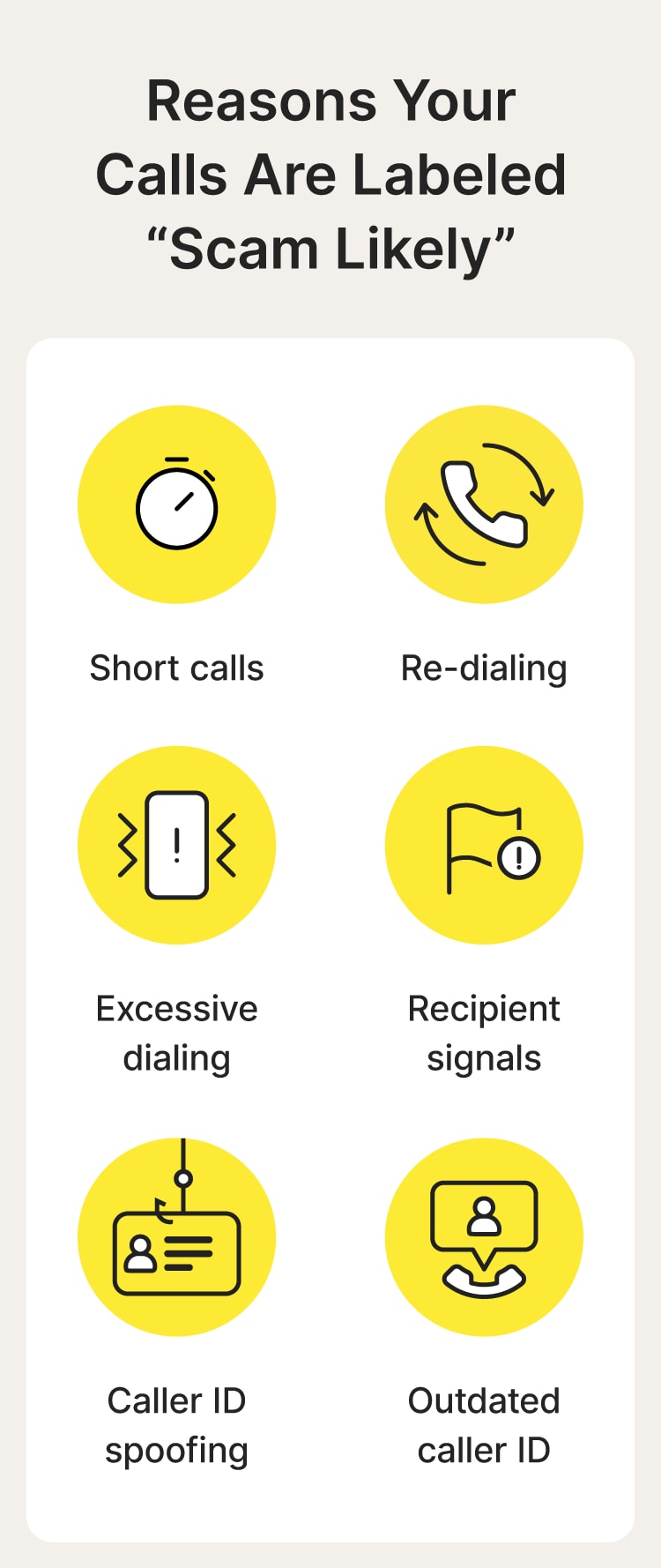
The mechanisms behind a call being flagged as "spam likely" are intricate and continuously evolving, a complex interplay of carrier-side algorithms, user feedback, and regulatory efforts. At its core, the system aims to protect consumers from the deluge of unsolicited telemarketing and fraudulent schemes. However, AI calling bots, by their very nature, can inadvertently trigger these safeguards. High call volumes originating from a single number or block of numbers, rapid dialing sequences, short call durations, and a lack of inbound call reciprocation can all contribute to a negative reputation score. Furthermore, if a number has been previously used for spam or has received a high number of user complaints, its future calls, even if legitimate and AI-driven, are significantly more likely to be flagged. Understanding these underlying mechanics is the first step toward devising strategies for effective and legitimate AI-powered outreach.

Strategies for Establishing Digital Trust
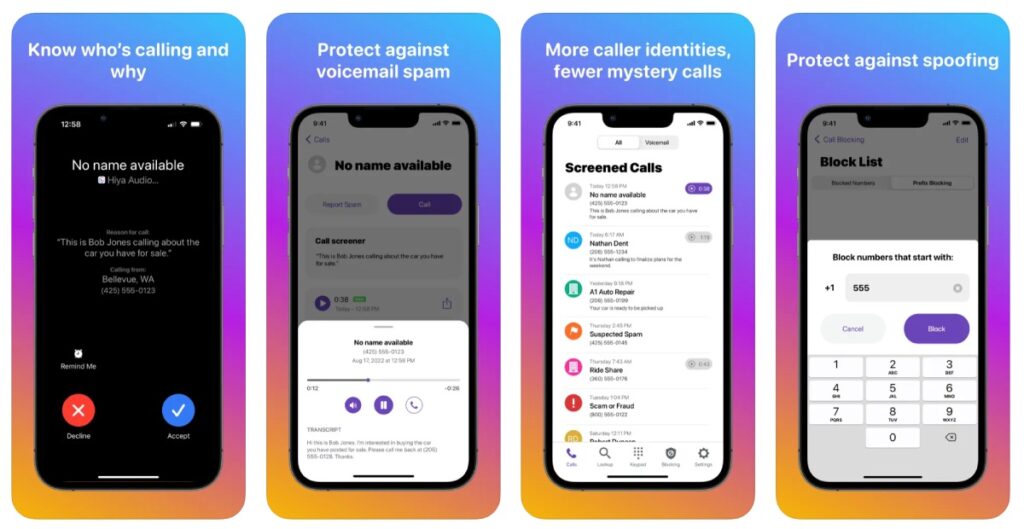
Navigating the "Spam Likely" minefield requires a proactive and strategic approach. Businesses deploying AI calling bots must prioritize establishing and maintaining a sterling caller ID reputation. This includes registering numbers with call-blocking services and analytics providers, ensuring calls are associated with a legitimate entity through branded caller ID solutions, and diligently monitoring call-blocking rates. Adopting best practices for call hygiene, such as avoiding sequential dialing, respecting do-not-call lists, and incorporating opt-out mechanisms, are also crucial. Furthermore, leveraging AI tools that can dynamically adjust calling patterns based on real-time spam detection feedback, or even routing calls through various authenticated numbers, can help mitigate the risk of being flagged. The goal is to distinguish legitimate, value-driven AI communication from the pervasive noise of unsolicited calls.
The Future of AI in Telecommunications
The ongoing tension between the utility of AI calling bots and the necessity of spam protection underscores a broader shift in how we perceive and interact with digital communication. As AI becomes more sophisticated, so too will the methods for identifying and mitigating unwanted calls. The future demands a collaborative effort between AI developers, telecommunications carriers, and regulators to create an ecosystem where legitimate AI-powered communication can thrive without contributing to the pervasive problem of spam. For organizations, this means embracing ethical AI deployment, investing in robust caller ID management, and continually adapting to the evolving landscape of call security. The promise of AI in telecommunications is immense, but its realization hinges on our collective ability to foster an environment of digital trust and clarity.