
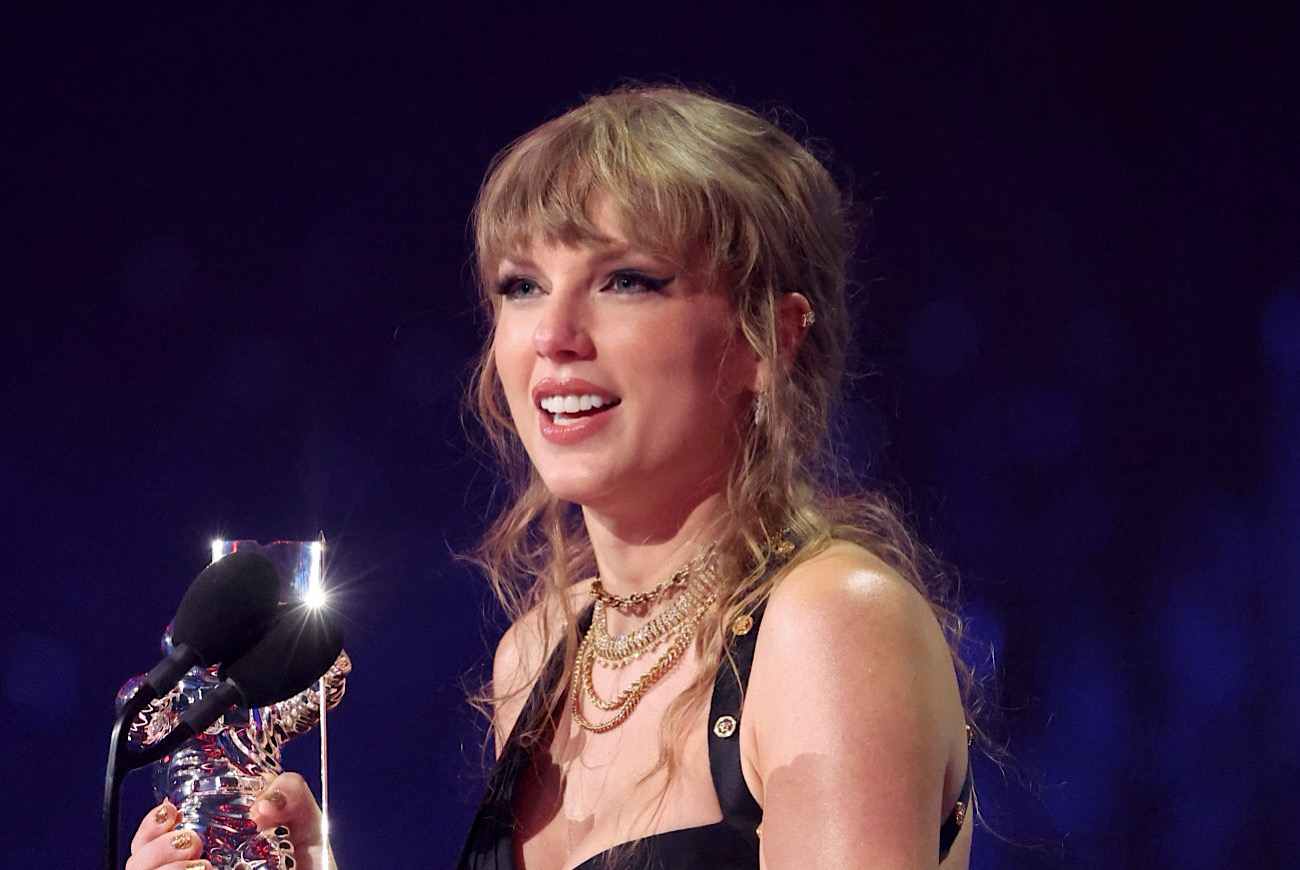
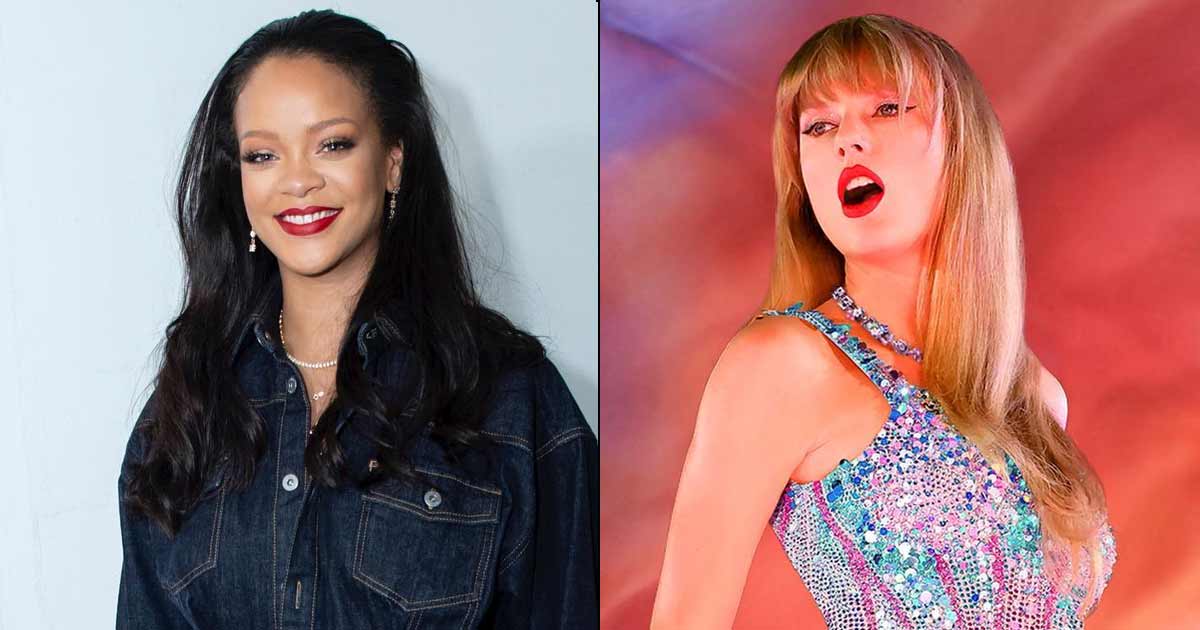
Taylor Swift has, without question, redefined the parameters of success in the modern music industry. Her 'Eras Tour' alone cemented her status as the highest-grossing live music artist of all time, reportedly collecting an astounding $3 billion. This, coupled with her prolific songwriting, strategic album releases, and savvy business acumen, has propelled her into the rarefied air of billionaire status, recently surpassing Rihanna to become the world's wealthiest female musician with a net worth estimated around $1.6 billion. Her financial achievements are a testament to an artist in complete control of her narrative and her intellectual property, resonating deeply with a global audience and commanding unprecedented economic power. But in the vast tapestry of musical wealth, where does Swift truly stand among the titans?
While Swift's current trajectory is meteoric, the landscape of musical wealth is complex, with fortunes built over decades through diverse streams. Historically, icons like Michael Jackson set benchmarks, becoming the first musician to earn over $100 million in a single year in 1989. More recently, the mantle of the 'richest musician' often falls to figures whose empires extend far beyond album sales and touring. Jay-Z, for instance, holds a staggering net worth, largely derived from his ventures in spirits, tech, and entertainment, placing him consistently at the top of overall musician wealth lists. Dr. Dre, a musician but primarily a producer and entrepreneur, famously made $620 million in a single year, not from singing, but from the sale of Beats Electronics, illustrating how non-traditional music income can dwarf even the most successful touring artists' earnings.

The definition of 'making money' in the music industry also varies significantly between annual earnings and cumulative net worth. Forbes' lists, for example, often highlight those with massive, one-time payouts. In recent years, the sale of music catalogs has become a significant wealth generator. Artists like Bruce Springsteen and Bob Dylan have commanded hundreds of millions for their publishing rights, deals that represent a culmination of decades of work and songwriting intellectual property. These transactions can dramatically inflate an artist's earnings in a specific year, potentially placing them above someone like Swift, whose wealth, while substantial, has been accumulated through more traditional, albeit exceptionally successful, revenue streams.
Ultimately, Taylor Swift's financial prowess is undeniable, a marvel of strategic artistry and business savvy. She stands as a titan of the entertainment world, particularly in her ability to monetize her direct relationship with fans through live performances and direct engagement. However, when considering the entirety of musical history and the diverse avenues through which artists and musicians amass wealth – from entrepreneurial ventures to the strategic sale of intellectual property – a handful of others have, through various means, achieved or surpassed her current financial standing. Swift's journey is far from over, and her financial narrative continues to evolve, but the pantheon of music's wealthiest is populated by a diverse array of innovators, performers, and shrewd business minds.