

In the complex tapestry of global efforts to combat climate change, a peculiar financial instrument has emerged as both a beacon of hope and a subject of intense debate: the carbon credit. Often whispered in the corridors of power and boardrooms of multinational corporations, these intangible assets are designed to put a price on pollution, incentivizing companies and nations to reduce their greenhouse gas emissions. But what exactly are carbon credits, how do they function, and can they truly be the panacea for our planet's warming crisis?
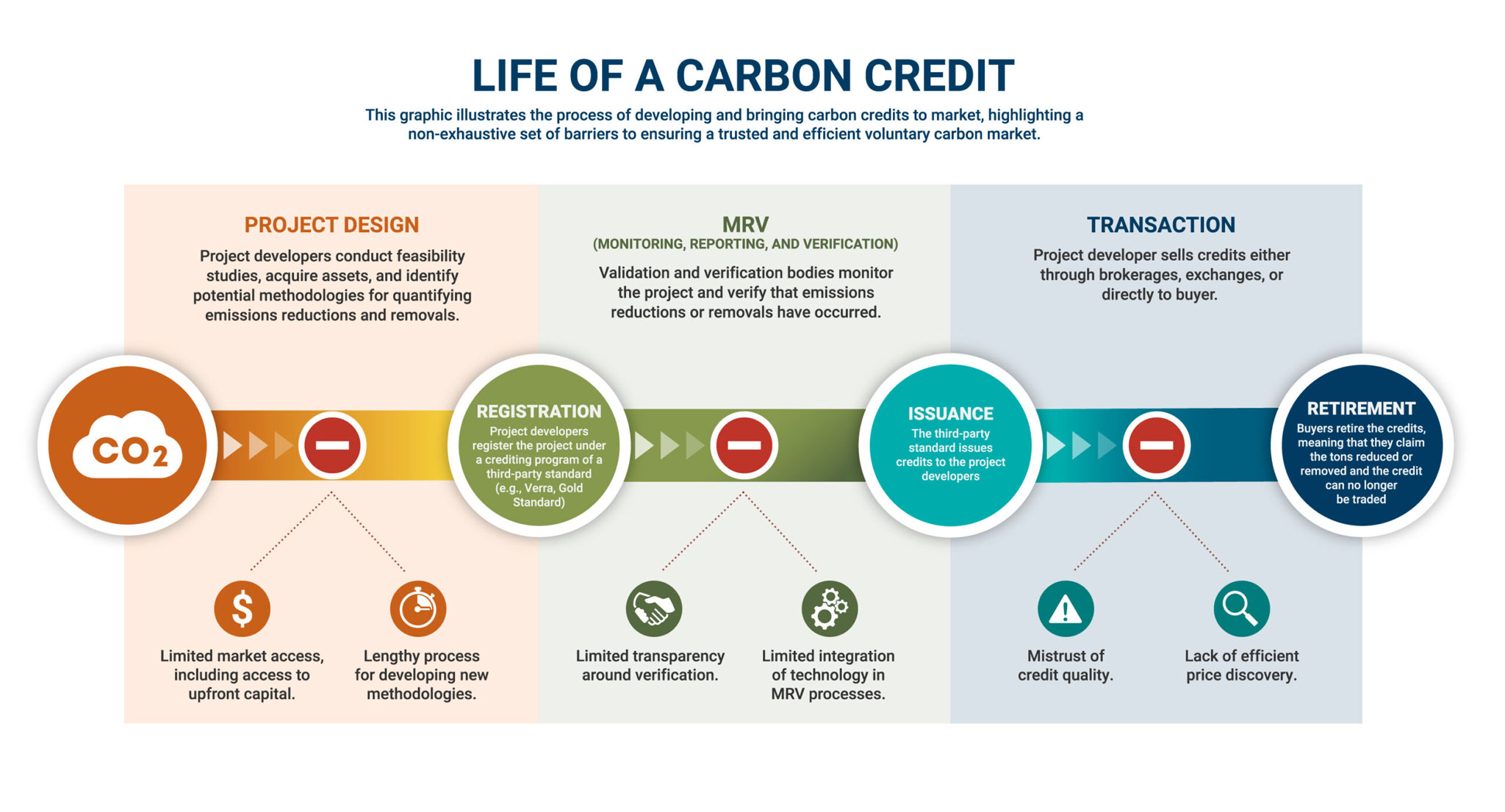
At its core, a carbon credit, or carbon allowance, represents a permit to emit one tonne of carbon dioxide equivalent (CO2e). Think of it as a permission slip, a tradable commodity that allows the holder to legally release a specific amount of greenhouse gases into the atmosphere. The ingenious, or perhaps audacious, idea behind this system is to create a market mechanism where emissions become a quantifiable and costly factor in business operations. Companies that reduce their emissions below a set cap can sell their surplus credits to those that exceed it, thereby creating a monetary incentive for environmental stewardship.

The journey of carbon credits began to formalize with the Kyoto Protocol in 1997, which proposed a global framework for emissions reduction. Since then, various markets have evolved, broadly categorized into compliance markets and voluntary markets. Compliance markets are typically government-mandated, where industries are legally bound to reduce emissions or purchase credits to offset them. Voluntary markets, on the other hand, operate on a more ad-hoc basis, allowing companies and individuals to voluntarily offset their carbon footprint by purchasing credits from projects that reduce or remove emissions, such as reforestation initiatives or renewable energy developments.
However, the system is not without its critics. Concerns range from the potential for 'greenwashing,' where companies buy credits without making fundamental changes to their operations, to the difficulty in accurately verifying the additionality and permanence of emission reductions achieved by offset projects. Despite these challenges, carbon credits remain a significant tool in the arsenal against climate change, offering a tangible way to internalize the external cost of pollution. As the world grapples with the urgent need for decarbonization, understanding the nuances of carbon credits is essential for navigating the future of environmental policy and sustainable finance.