
/cdn.vox-cdn.com/uploads/chorus_image/image/73327599/DrakeKendrickBeef_Getty_Ringer.0.jpg)
The world of hip-hop has been captivated, horrified, and utterly engrossed by the simmering, then boiling, animosity between two of its most celebrated titans: Drake and Kendrick Lamar. What began as a subtle rivalry nearly a decade ago has exploded into a full-blown lyrical war, leaving an indelible mark on the genre and sparking fervent debate among fans and critics alike. This isn't just a clash of titans; it's a meticulously crafted, strategically deployed, and deeply personal battle that has transcended mere diss tracks to become a cultural phenomenon.

The genesis of this storied rivalry can be traced back to 2013, when Kendrick Lamar delivered a seismic verse on Big Sean's 'Control,' boldly calling out numerous contemporaries, including Drake, by name. While initial reactions were varied, the seeds of a future confrontation were undoubtedly sown. The tension resurfaced dramatically with Kendrick's incendiary verse on Future and Metro Boomin's 'Like That,' where he unequivocally dismantled J. Cole's 'Big Three' claim, asserting, 'f*** the big three, it's just big me.' This direct challenge ignited the latest, most intense phase of the feud, with Drake swiftly retaliating. His track 'Push Ups' was a direct assault, taking aim at Lamar's height and famously dubbing him a 'midget,' along with accusations of being a 'record label puppet' manipulated into pop collaborations.

However, the conflict quickly escalated beyond typical lyrical sparring, delving into deeply personal and often disturbing territory. Kendrick Lamar's follow-up, 'Not Like Us,' was a scathing indictment, leveling serious allegations against Drake concerning his personal life. The track, which became an instant cultural touchstone, contained lines like 'Say, Drake, I hear you like ‘em young' and 'You better not ever go to cell block one,' implying grave accusations that sent shockwaves through the industry. Lamar's performance of 'Not Like Us' at the Super Bowl halftime show, where he notably sported a chain with a lowercase 'a' – interpreted by many as a subtle jab at Drake – further cemented the track's iconic status and underscored the depth of their animosity.
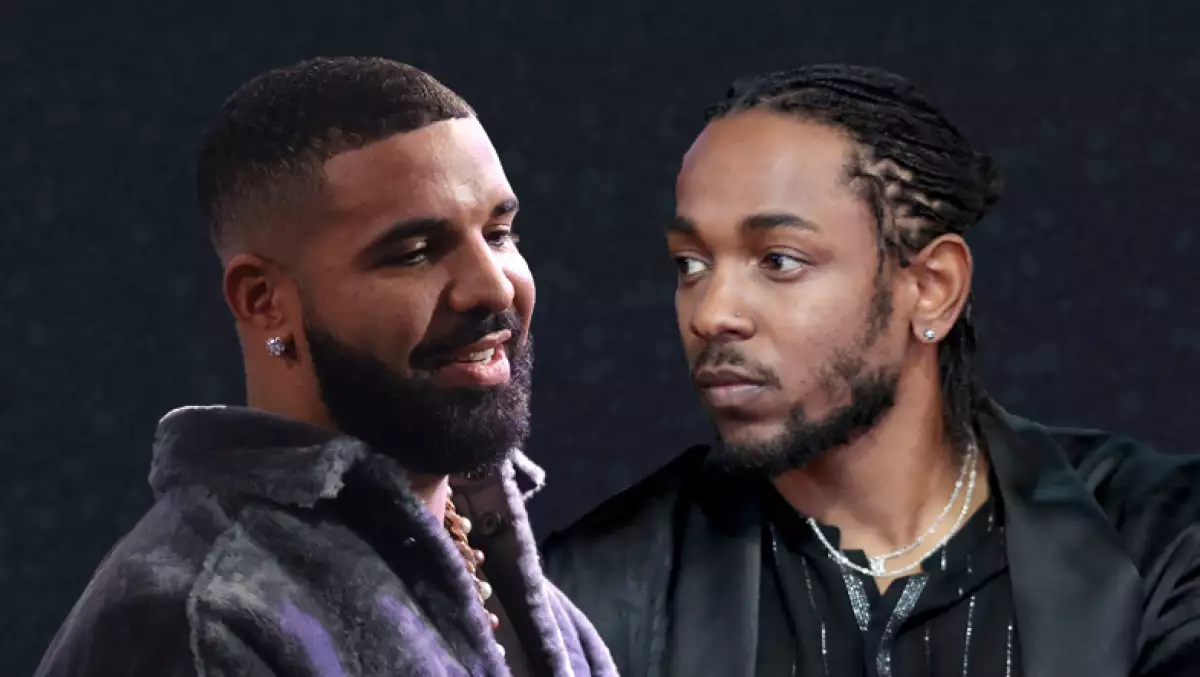
This beef has been lauded as 'the biggest beef in recent rap history,' transcending the usual boundaries of lyrical artistry to become a narrative laden with accusations, psychological warfare, and an unprecedented level of public scrutiny. While specific declarations of a truce remain absent, the intensity of their exchanges has undoubtedly left a lasting impact, reshaping perceptions of both artists and highlighting the raw, competitive spirit that defines hip-hop at its most fervent. The echoes of their lyrical combat will resonate for years to come, solidifying this chapter as one of the genre's most compelling and controversial.