
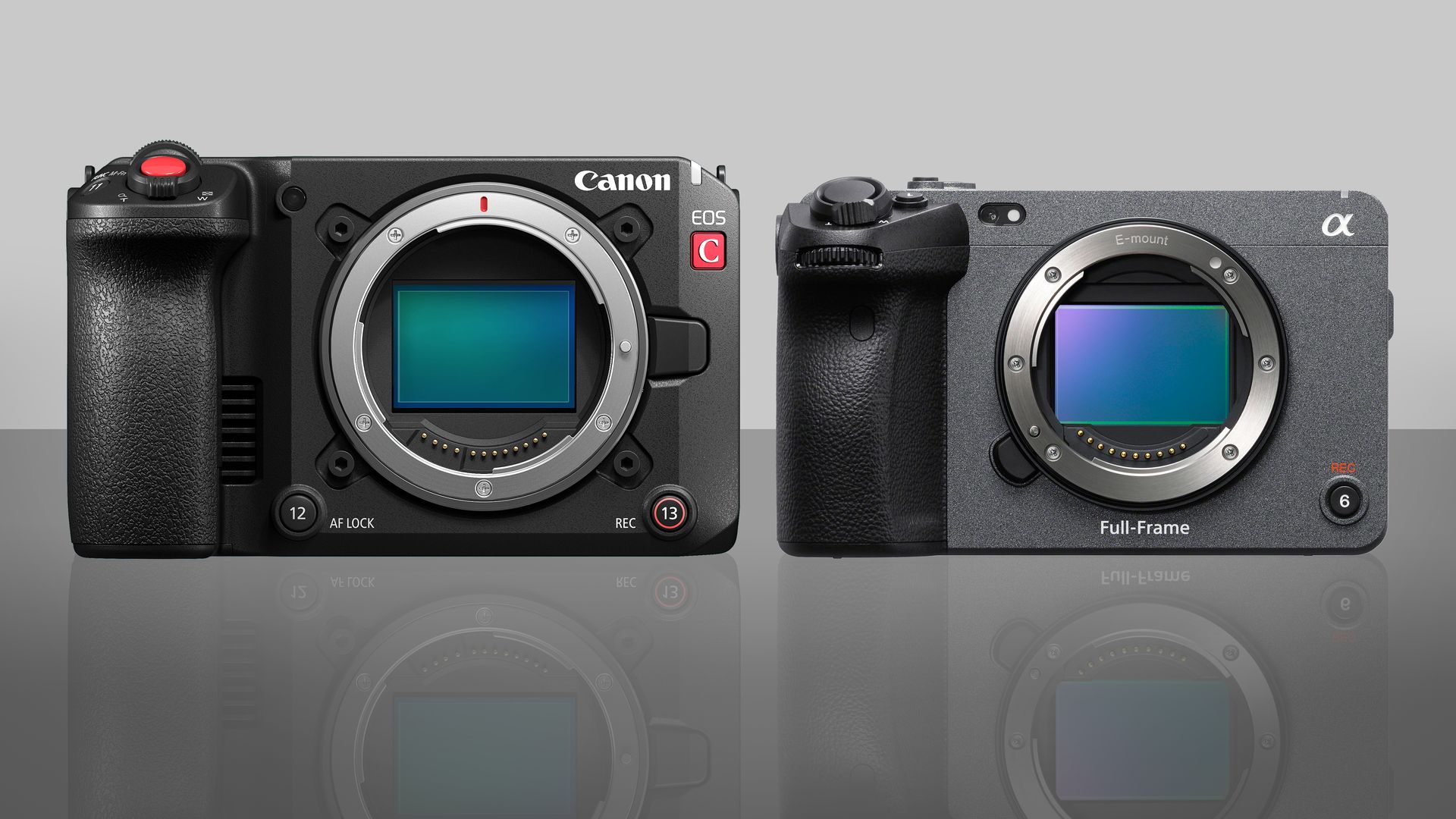
In the ever-evolving landscape of digital cinematography, the demand for compact yet powerful cinema cameras has spurred fierce innovation. At the forefront of this segment are two industry heavyweights: the Canon EOS C50 and the Sony FX3. Both cameras promise professional-grade video capabilities in remarkably small packages, but their underlying philosophies and target audiences diverge, making the choice between them a nuanced decision for discerning filmmakers. This isn't a simple battle of specifications; it's a strategic consideration of ergonomics, image science, and ecosystem integration.

Delving into the core of their imaging prowess, a significant differentiator lies in their sensors. The Canon EOS C50 often boasts a higher megapixel count, a feature that translates directly into the ability to capture richer detail and offers greater flexibility for post-production cropping, particularly beneficial for those eyeing larger format deliveries or still extractions. This higher resolution can also yield more nuanced textures and finer gradations in complex scenes. Conversely, the Sony FX3, while still delivering stunning cinematic quality, might prioritize different aspects, often excelling in low-light performance and color science that has become a hallmark of the Sony Alpha line, refined for video-centric applications. The choice here often boils down to whether absolute resolution or specialized low-light prowess and specific color rendition are paramount.

Beyond the raw sensor data, the tactile experience of these cameras presents another critical divergence. The Sony FX3 has carved out a niche for itself as a remarkably small and lightweight cinema camera, often lauded for its mirrorless-hybrid design that makes it incredibly versatile for gimbal work, drone integration, or discreet handheld shooting. Its compact body is a testament to engineering that packs a punch without the bulk. The Canon C50, while also designed for portability, often presents a slightly different ergonomic profile, potentially offering a more traditional cinema camera feel for some operators. Considerations such as integrated cooling systems, button layouts, and accessory mounting points further define the user experience, influencing everything from run-and-gun documentary work to meticulously planned narrative productions.

Ultimately, declaring one camera definitively 'better' than the other is an oversimplification. Both the Canon EOS C50 and the Sony FX3 are exceptional tools, each meticulously crafted to empower filmmakers. The C50, with its emphasis on high-resolution capture, might appeal to those prioritizing detailed imagery and flexible post-production. The FX3, with its lightweight, compact form factor, and robust video features, could be the preferred choice for those seeking agility, stealth, and a seamless integration into existing Sony ecosystems. The decision rests not on which camera wins a theoretical contest, but on which one aligns most precisely with a filmmaker's creative vision, production demands, and personal preferences, making it the superior instrument for their unique storytelling journey.