

In an era obsessed with curated perfection and overt luxury, a fascinating counter-narrative continues to unfold on the world's most prestigious runways: the deliberate embrace of garments that appear anything but pristine. From oversized silhouettes that engulf the wearer to artfully distressed fabrics and deconstructed forms, a significant segment of high fashion consistently challenges conventional notions of elegance. This trend often leaves observers asking: why does cutting-edge design sometimes make people look, to put it bluntly, like bums? The answer lies in a complex interplay of artistic rebellion, social commentary, and a profound desire to redefine beauty.
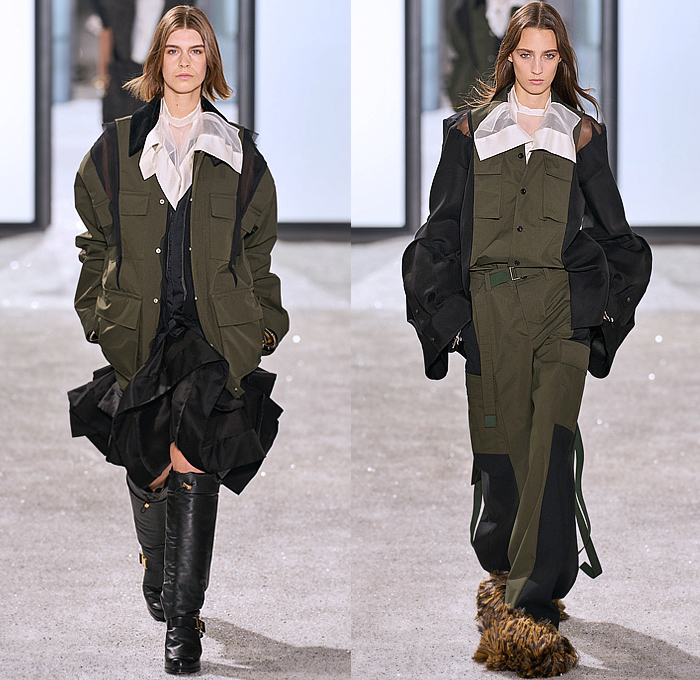
This aesthetic, often termed 'anti-fashion' or 'deconstructed chic,' is far from accidental. It boasts a rich lineage tracing back to avant-garde movements and visionary designers who dared to disrupt. Pioneers like Rei Kawakubo of Comme des Garçons and Martin Margiela, whose eponymous label became synonymous with raw seams, repurposed materials, and an almost melancholic beauty, fundamentally questioned the tenets of opulence and pristine finishing. They argued that true innovation could be found in the imperfect, the unfinished, and even the seemingly discarded. By exposing the inner workings of a garment or deliberately creating an impression of age and wear, these designers invited a deeper contemplation of clothing's construction, its inherent value, and its relationship to the human body.
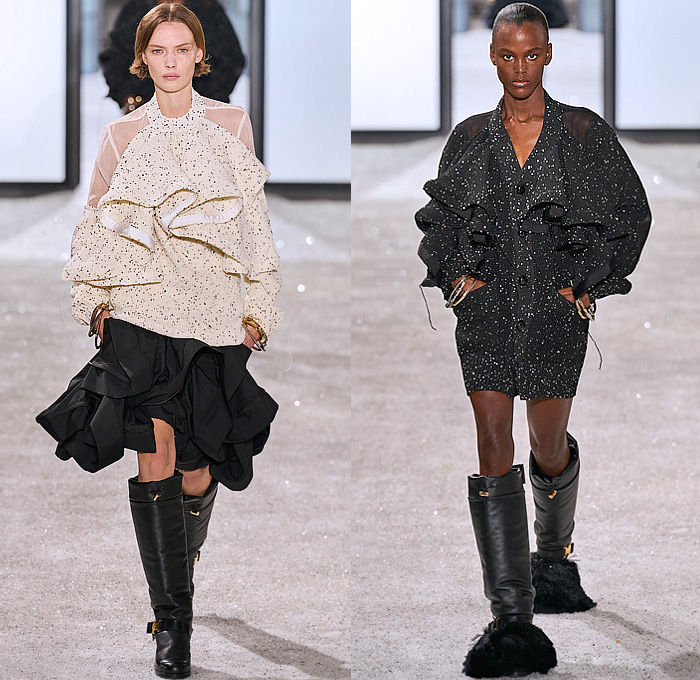
Beyond mere aesthetic play, these 'bum-like' styles often carry potent socio-cultural commentary. The controversial 'homeless chic' trend of the 1990s, for instance, sparked debates about poverty, privilege, and the commodification of struggle. While certainly fraught, it highlighted how fashion can hold a mirror to societal anxieties and inequalities. Modern iterations of this deconstructed, often exaggerated, look can be interpreted as a rejection of fast fashion's disposability, a critique of consumerism's relentless pursuit of newness, or even a statement on the blurring lines between formal and informal wear in an increasingly casualized world. These garments speak of authenticity, a lived-in quality, and a rebellion against the saccharine polish often associated with traditional luxury.
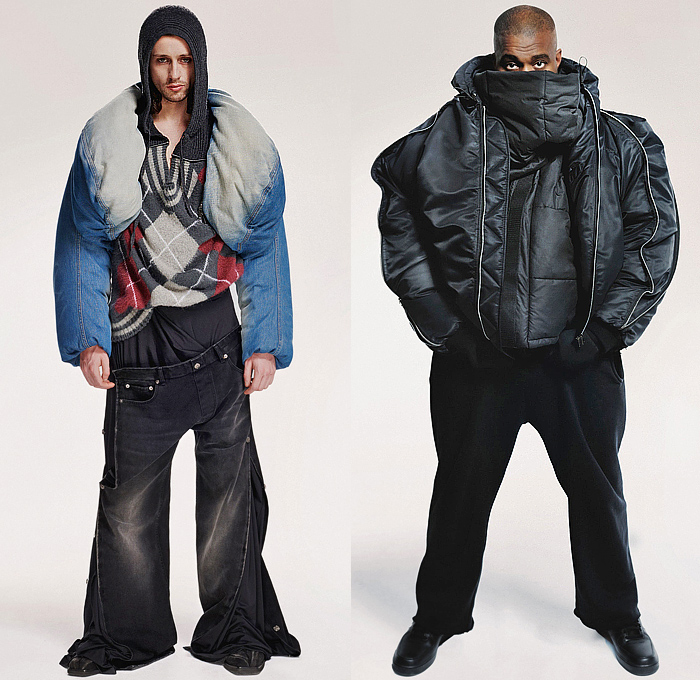
Ultimately, the fascination with fashion that appears dishevelled or 'undone' is a testament to its power as an art form. It's an intentional subversion of expectations, pushing boundaries and forcing a re-evaluation of what constitutes 'stylish' or 'beautiful.' These designers don't aim to literally dress people as though they are homeless; rather, they appropriate and recontextualize elements of perceived disarray to create new forms of elegance and provocation. In a world saturated with digital filters and curated realities, the 'imperfection' of deconstructed fashion offers a refreshing, albeit sometimes challenging, vision of authenticity and artistic expression, inviting us to look beyond the surface and appreciate the deeper narratives woven into the fabric of our clothing.