
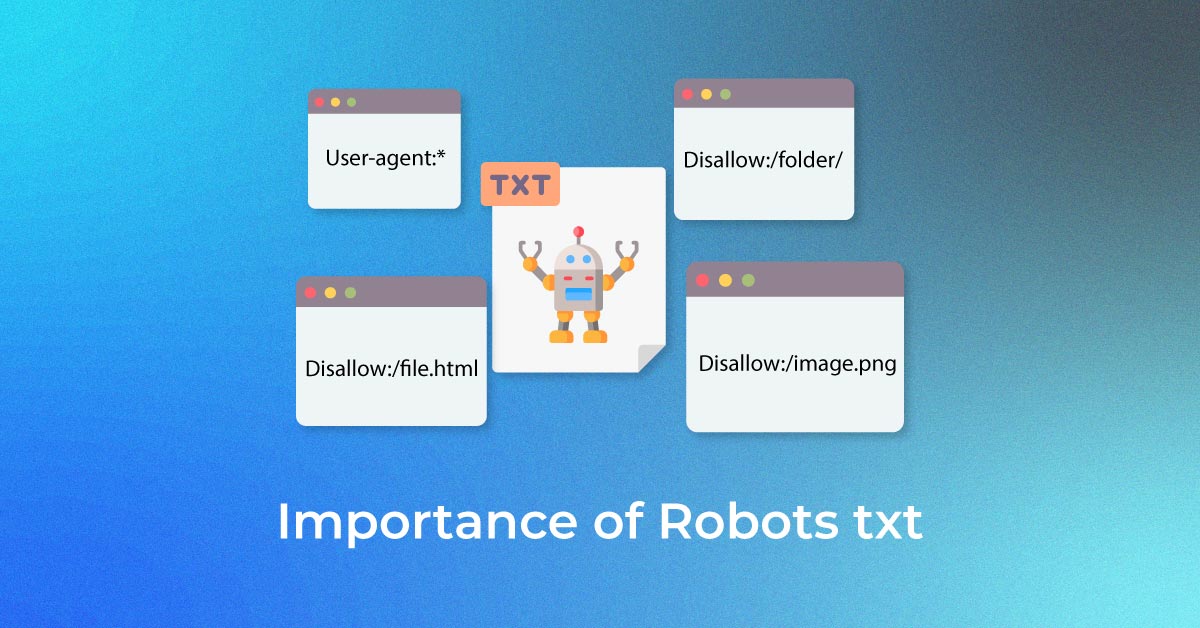
In the intricate dance of the internet, where billions of pages vie for attention, a humble text file often goes unnoticed, yet it plays a pivotal role in shaping how search engines perceive and index websites. This unsung hero is the `robots.txt` file, a set of instructions that guides benevolent web crawlers through the labyrinth of a website's architecture. While some might dismiss it as a relic of a bygone internet era, its importance in the sophisticated world of modern SEO is not just undiminished, but arguably more critical than ever.

At its core, `robots.txt` acts as a digital gatekeeper, communicating directly with search engine bots like Googlebot. It dictates which sections of a website are permissible for crawling and, by extension, indexing. This isn't about hiding sensitive information – for that, meta directives like `noindex` are more appropriate – but rather about optimizing the crawl budget and ensuring search engines focus their precious resources on the most valuable content. Imagine a sprawling library: `robots.txt` is the librarian telling visitors, "These shelves contain our most important works; these other sections are under construction or contain internal memos you don't need to see."

The strategic use of `robots.txt` is multifaceted. For instance, it can prevent the indexing of duplicate content, a common SEO pitfall that can dilute a site's authority. WordPress users, for example, often leverage it to block auto-generated tag pages. Furthermore, it's an indispensable tool for managing vast websites with numerous pages that are irrelevant for public search, such as staging environments, outdated product listings, or internal administration portals. By directing crawlers away from these areas, webmasters can enhance site performance and ensure that the most pertinent information is readily discoverable.

Even with advancements in search engine algorithms and the increasing sophistication of web development, the fundamental utility of `robots.txt` persists. It serves as a clear, concise directive that, when properly configured, contributes significantly to a website's overall health and visibility in search results. While tools like Google Search Console offer alternative methods for submitting sitemaps, including a link to your XML sitemap within your `robots.txt` file remains a widely accepted best practice. In an online landscape where every advantage counts, mastering this unassuming file is a testament to a deep understanding of SEO's enduring principles and its evolving demands.