
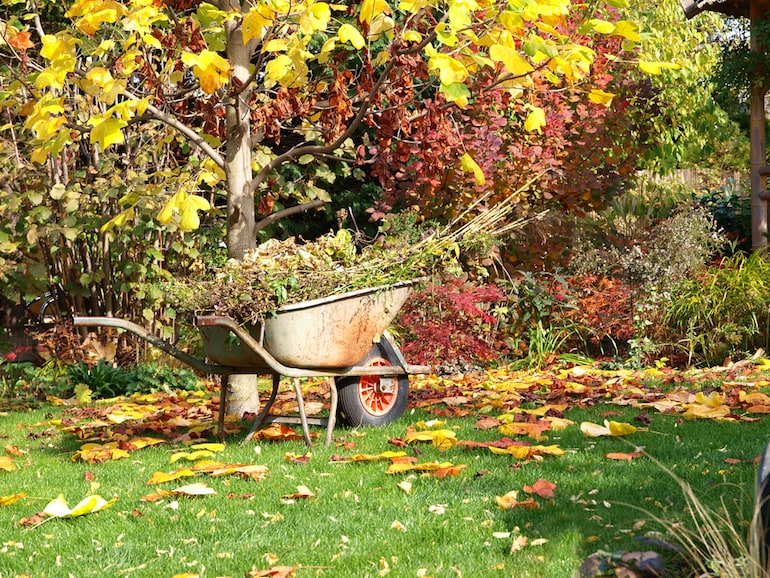
As the vibrant crescendo of summer begins to soften into the golden hues of autumn, the discerning gardener understands that this transitional period is not an ending, but a vital prelude. The shift from bountiful growth to a season of rest and renewal demands a thoughtful approach, transforming your garden from a summer spectacle into a meticulously prepared haven for the dormant months ahead. Far from being a chore, these end-of-summer rituals are an act of profound care, ensuring the continued health, vitality, and spectacular return of your botanical sanctuary next spring.
The Art of the Autumn Clean-Up
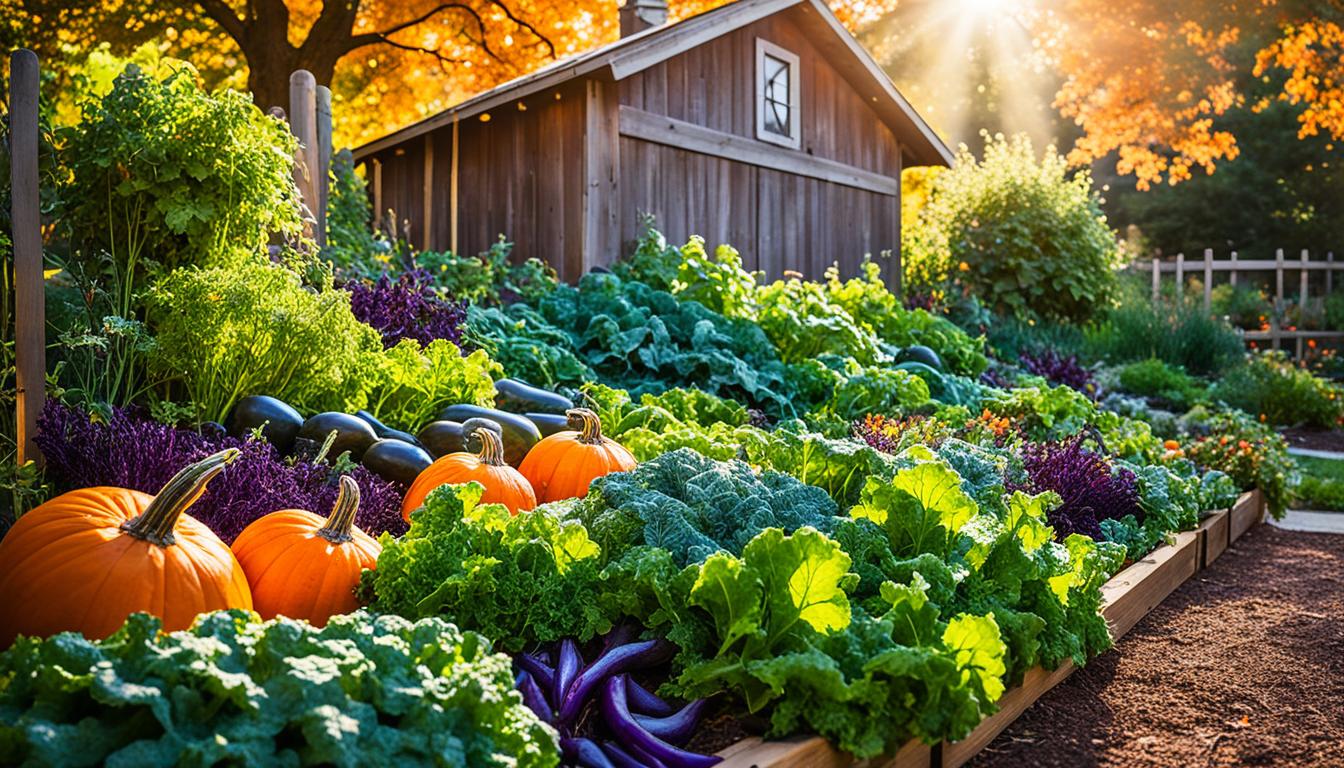
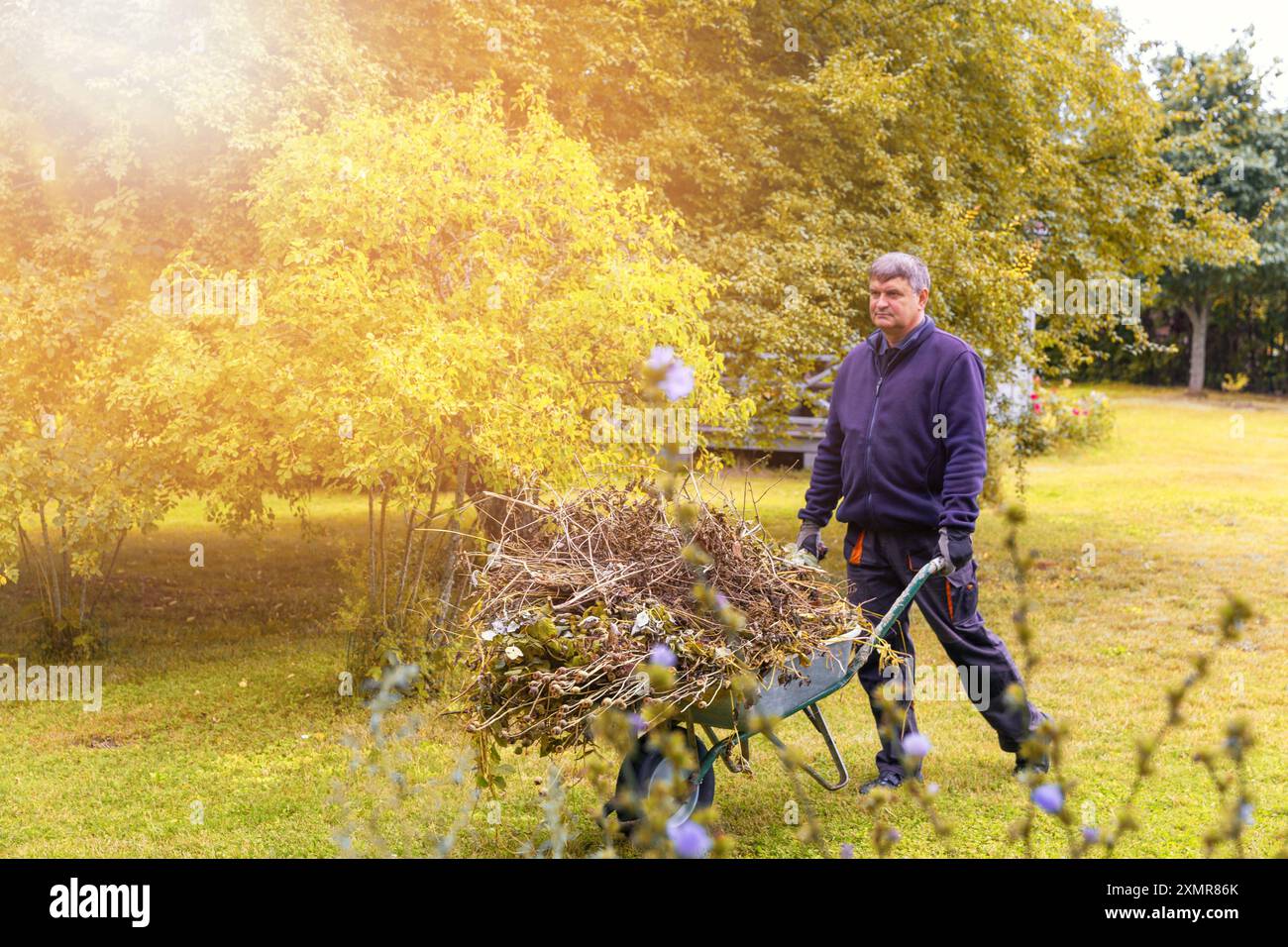
Begin by performing a thorough, yet sensitive, clean-up. This isn't about stripping your garden bare, but rather about judicious removal and thoughtful harvesting. Spend time harvesting the last of your summer vegetables and fruits, savoring their final offerings. Remove any spent annuals or declining perennial foliage that shows signs of disease or pest infestation, preventing these issues from overwintering. Weeding remains crucial; eradicating perennial weeds now will save considerable effort in the spring. For healthy plant debris, consider adding it to your compost pile, enriching the organic material that will nourish your garden beds in the future.
Nourishing the Earth: Soil Health and New Plantings
With the beds tidied, attention turns to the soil – the very foundation of your garden's success. Autumn is an opportune moment to replenish and invigorate. Incorporate a generous layer of fresh compost or well-rotted organic matter into your beds. This not only improves soil structure and fertility but also supports the beneficial microorganisms that are vital for plant health. Furthermore, fall is the ideal season for planting many trees, shrubs, and, critically, spring-flowering bulbs. Imagine the joyous burst of tulips and daffodils next spring, a direct result of your autumnal foresight. Don't forget to plant garlic cloves for an early summer harvest!
Winterizing and Looking Ahead
Finally, consider the specific needs of your perennial plants and sensitive specimens. Applying a layer of mulch around their bases can provide essential insulation against harsh winter temperatures and help retain soil moisture. For tender perennials, research whether they need to be lifted and stored indoors. Rake away fallen leaves from garden beds to prevent moisture retention that can harbor pests or diseases, but consider leaving some in naturalized areas to provide habitat for overwintering insects and wildlife. By embracing these end-of-summer preparations, you are not merely closing one chapter but meticulously crafting the narrative for an even more spectacular and resilient garden in the seasons to come, a testament to patience, planning, and profound appreciation for the natural cycle.